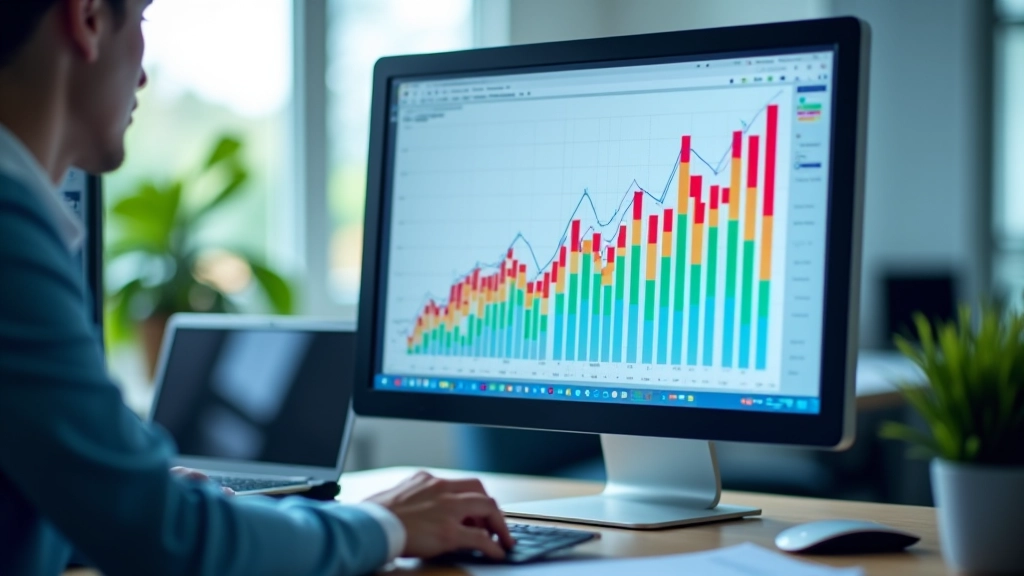
How DOSM Calculates Malaysia’s GDP: A Step-by-Step Breakdown
DOSM uses three approaches to measure GDP. This guide explains each method, what data feeds into them, and why the numbers sometimes differ.
Read MoreDOSM releases quarterly and annual reports packed with data. Learn which figures matter most, how to spot seasonal adjustments, and what to ignore when reading official statistics.

The Department of Statistics Malaysia releases economic data that governments, investors, and analysts use to make decisions. Real money moves based on these numbers. But here’s the thing — most people who read DOSM reports don’t actually understand what they’re looking at.
You’ll see terms like “seasonally adjusted,” “constant 2015 prices,” and “preliminary estimates.” Without context, these phrases are just noise. But they’re crucial to understanding whether the economy actually improved or if you’re just looking at normal seasonal patterns.

DOSM publishes three main versions of GDP data, and most people get confused between them. They’re not wrong numbers — they’re the same numbers shown different ways.
Current Prices (Nominal GDP) shows the actual money value right now. Malaysia’s GDP hit 1.82 trillion ringgit in 2025. But inflation changes the meaning of money. A ringgit today doesn’t buy what it bought five years ago.
Constant Prices (Real GDP) removes inflation by using 2015 as the baseline year. You’ll see “in 2015 prices” in the reports. This shows actual economic growth without the inflation noise. This is what economists care about when they ask: “Did we actually produce more stuff?”
Growth Rates are the percentage changes quarter-to-quarter or year-to-year. A 3.5% growth rate means the economy produced 3.5% more real goods and services than the previous period. That’s the headline number everyone talks about.
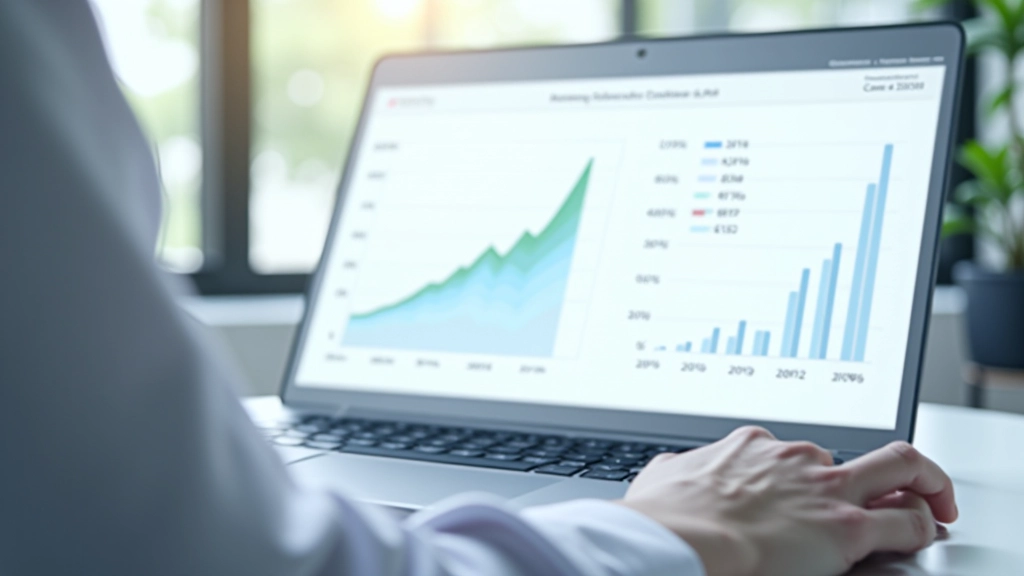

Every economy has seasonal rhythms. Retail sales spike before Hari Raya and Chinese New Year. Construction slows during monsoon season. Agriculture follows harvest cycles. These aren’t signs of economic health or weakness — they’re just predictable patterns.
DOSM applies “seasonal adjustments” to remove these expected fluctuations. The raw numbers show what actually happened. The seasonally adjusted numbers show what happened after accounting for normal seasonal patterns. When a report says “GDP grew 2.1% seasonally adjusted,” it’s already stripped out the usual seasonal bump.
You’ll often see both numbers reported. The seasonally adjusted figure is what matters for understanding true economic momentum. If growth disappears after seasonal adjustment, you’re probably looking at a normal seasonal pattern, not real economic improvement. This distinction matters because policy decisions get made based on these numbers.
DOSM releases data three times for the same period. Don’t assume the first release is final.
Released about 6 weeks after the quarter ends. Based on partial data. Often has the biggest revisions.
More complete data comes in. Usually adjusts the preliminary figure by 0.1-0.5 percentage points.
Considered the authoritative number. But even this can get revised slightly if major data corrections happen later.
When you’re reading a DOSM report, always check which estimate you’re looking at. A preliminary 3.2% growth rate might become 2.8% when revised. That’s not an error — it’s just how data collection works when you’re racing against the clock.


The overall GDP growth number gets all the attention, but it masks what’s really happening in the economy. Services account for over 52% of Malaysia’s GDP. Manufacturing is about 23%. Agriculture is less than 10%. If services grew 2% and manufacturing contracted 1%, the overall number doesn’t tell you much.
Smart people read the sectoral breakdown. You’ll see which industries are actually pulling the economy forward. During the pandemic, wholesale and retail trade collapsed while financial services held steady. That detail mattered enormously for understanding Malaysia’s actual economic health.
DOSM breaks down contributions by major sectors and sub-sectors. Spend time looking at the ones relevant to you. If you’re in manufacturing, watch that sector’s growth. If you’re analyzing government policy, look at construction and public administration numbers. The headline GDP figure is useful context, but the real story is in the details.
Preliminary or final? The difference can shift policy decisions. Don’t quote preliminary numbers as fact.
Unadjusted figures include normal seasonal swings. Always compare adjusted-to-adjusted or raw-to-raw.
Real (2015 prices) or nominal (current prices)? Real growth is what matters. Nominal can mislead with inflation.
One tells you momentum within the year. The other shows growth from the same period last year. They tell different stories.
DOSM includes detailed notes about data sources and calculation methods. Major changes in methodology get flagged. Read them.
“The headline GDP growth number is useful context, but the real story is in the details — which sectors grew, whether it was seasonal, and whether you’re looking at preliminary or final data.”
Reading DOSM reports doesn’t require an economics degree. It requires knowing what questions to ask. You’re not trying to memorize numbers. You’re trying to understand what they actually mean and whether they support the claims being made.
Most people skip the methodology and footnotes. That’s where DOSM explains what changed, what got revised, and why. Start there. Then look at the sectoral breakdown to see which parts of the economy actually moved. Finally, check which estimate and adjustment method is being used before you share the number with someone else.
The next time you see a headline about Malaysia’s GDP growth, you’ll know exactly what to look for. You won’t just accept the number — you’ll understand where it came from and what it actually means for the economy.
This article is educational material designed to help you understand how to interpret DOSM economic reports. It is not financial advice, investment guidance, or economic forecasting. Economic interpretation depends on context, timing, and your specific situation. For investment decisions or policy analysis, consult with economists, financial advisors, or domain experts. DOSM reports are public data available at dosm.gov.my — all figures mentioned here are illustrative and may change with new releases.